Biophilia describes our natural attraction to the living world around us. Even small amounts of greenery, natural views, and outdoor connection can make a home feel more comfortable, restorative, and enjoyable to live in.
Many people spend most of their day indoors. Between work, technology, and modern living patterns, it is surprisingly easy to go long periods without meaningful contact with nature.
What I find interesting is that people often notice the benefits of nature without consciously thinking about it. A room overlooking trees usually feels different from a room overlooking a blank wall. A garden view often feels more inviting than a parking lot. These reactions are not random. They reflect a deeper connection to natural environments.
The encouraging part is that creating this connection does not necessarily require a large property or dramatic renovations. Small changes can make a meaningful difference.
Takeaways
- People naturally respond positively to trees, plants, water, and other natural elements.
- Window views can influence how a room feels even when no additional space is added.
- Landscaping and greenery can improve everyday comfort and visual appeal.
- Small natural elements often provide benefits without requiring a large property.
- Many homes miss opportunities to strengthen their connection with nature.
Understanding Biophilia
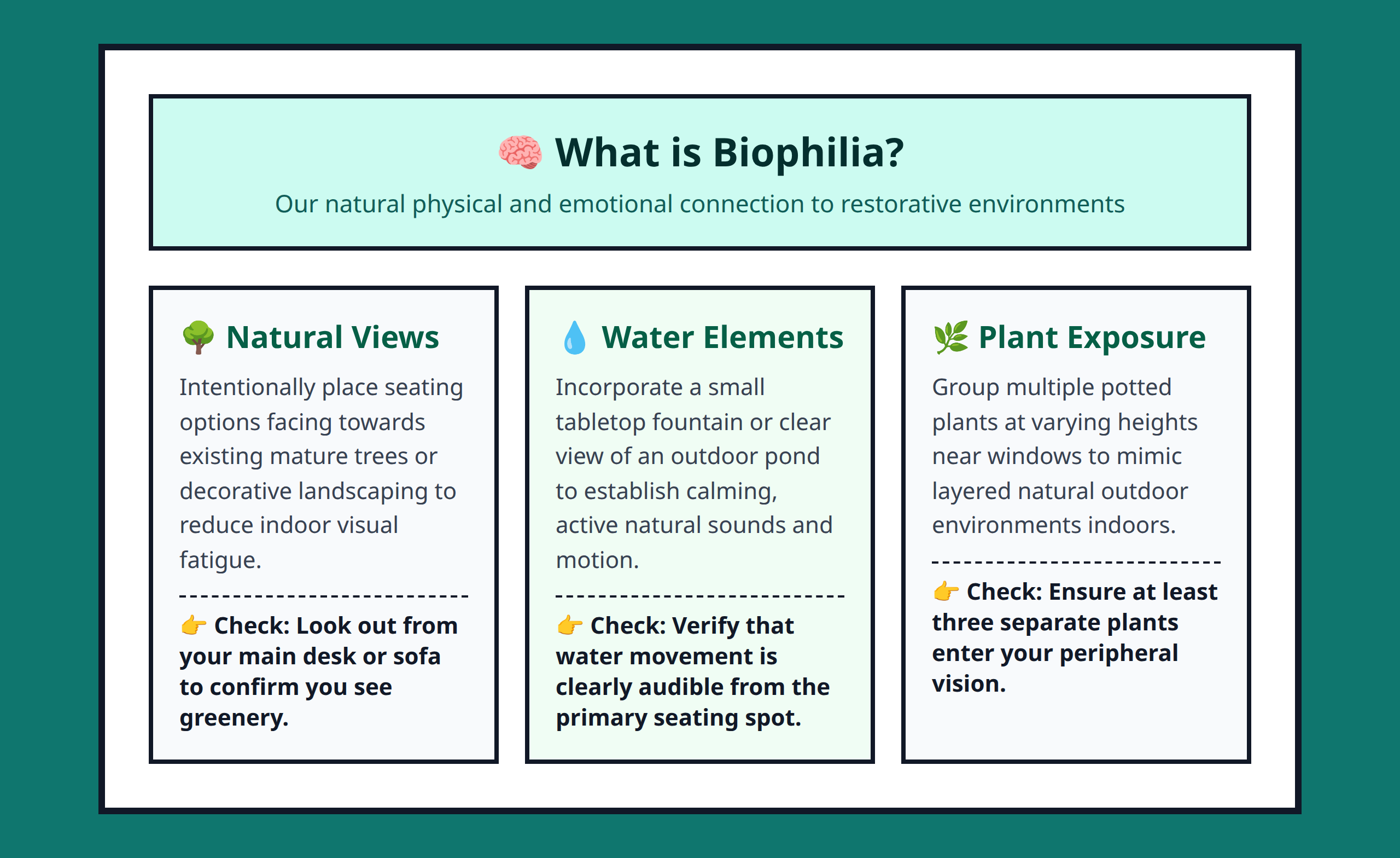
Biophilia is the tendency to prefer and respond positively to natural environments.
This preference appears in many everyday choices. People are often drawn to homes with trees, gardens, attractive landscaping, water features, and pleasant outdoor views. Natural surroundings frequently feel calming, welcoming, and visually satisfying.
Greenery can influence how a space feels even when the physical dimensions remain unchanged. A room with views of trees or landscaping may feel more inviting than an identical room facing a blank structure.
Water views, mature trees, and thoughtfully designed outdoor spaces are often valued because they strengthen this connection with nature. The effect is not limited to large estates or rural properties. Small natural elements can create a meaningful difference in ordinary homes.
Practical Ways to Add More Nature to Your Home
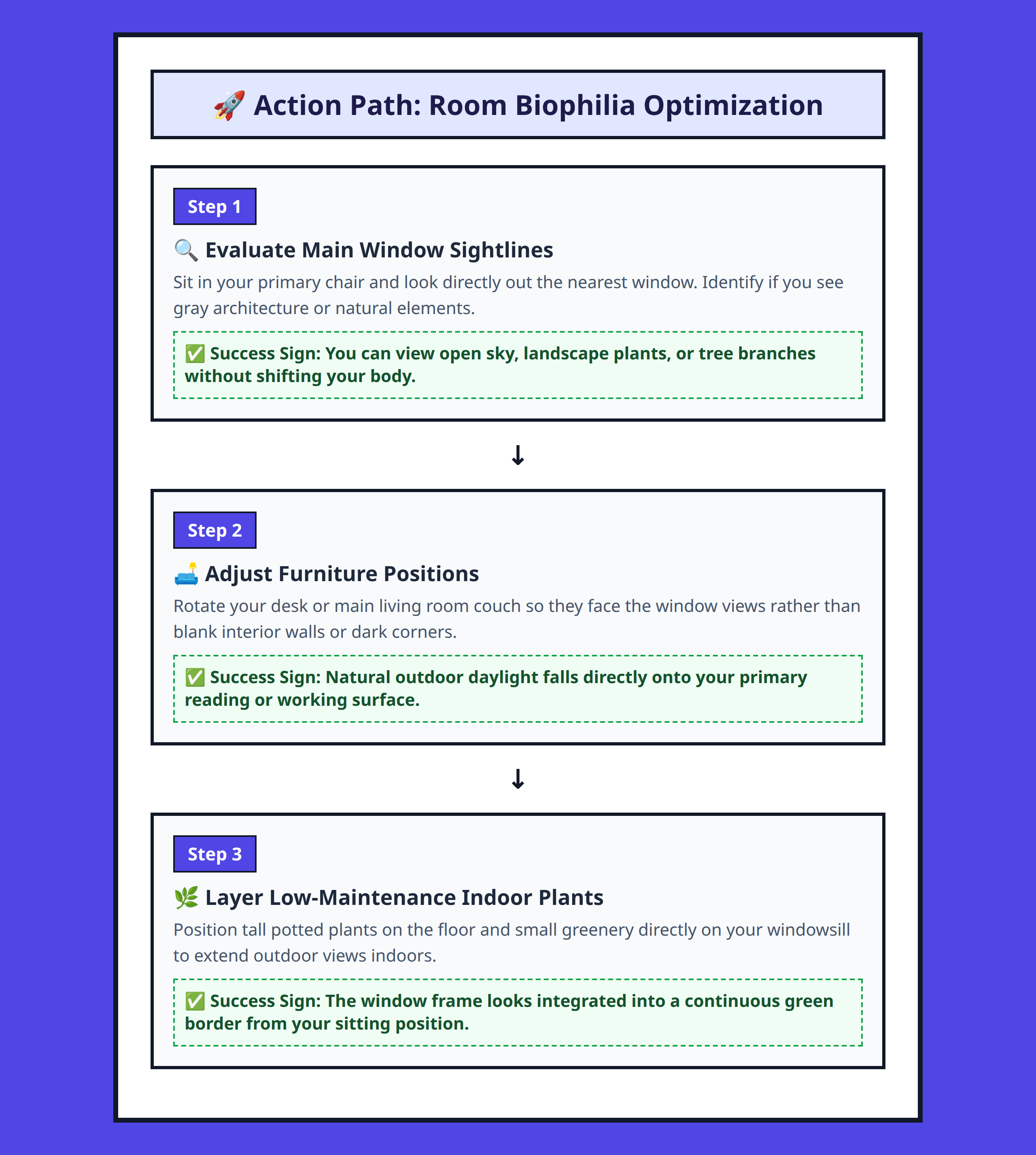
One of the best aspects of biophilic design is that it can be applied gradually. Small improvements often create noticeable results.
Use Plants as Living Design Elements
Plants are one of the simplest ways to introduce nature indoors. They add texture, color, and visual interest while helping a space feel more connected to the natural world.
A single plant may not transform an entire room, but several thoughtfully placed plants can noticeably change the atmosphere.
Improve Natural Views
Window placement and what appears beyond the window matter more than many homeowners realize.
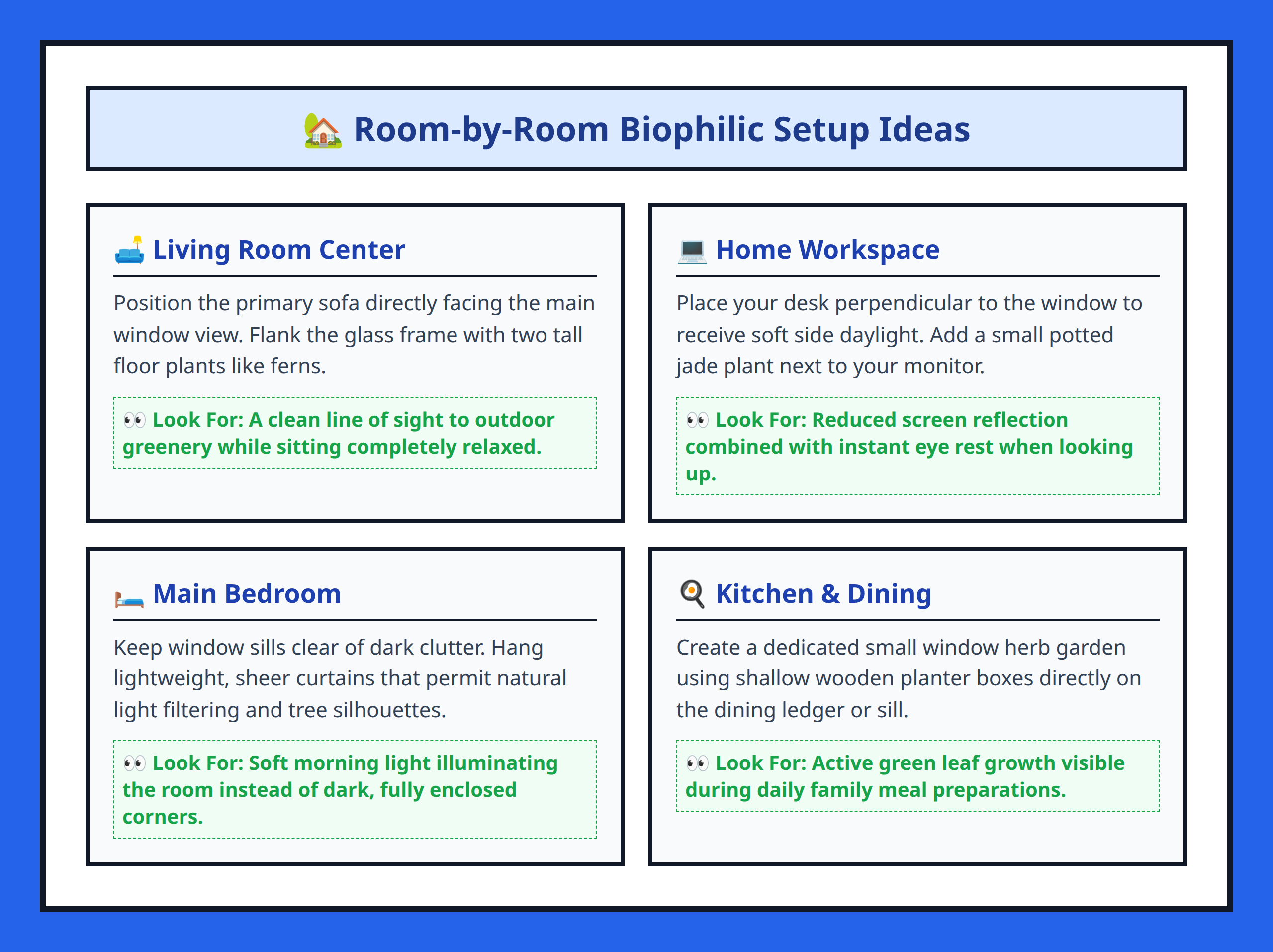
If possible, arrange furniture to take advantage of views that include trees, landscaping, gardens, or other natural features. Sometimes improving what is visible outside a window creates a greater impact than changing the interior décor.
Create Natural Screening
Natural screening uses vegetation rather than artificial barriers to shape outdoor spaces.
Trees, shrubs, and plantings can help define areas, soften visual distractions, and create a stronger sense of connection to nature.
Invest in Landscaping
Landscaping is often viewed primarily as a curb-appeal feature, but it also affects daily living. Well-designed outdoor spaces encourage people to spend more time enjoying their surroundings.
| Natural Feature | Practical Use | Potential Benefit |
|---|---|---|
| Indoor Plants | Add greenery inside the home | More natural visual environment |
| Tree Views | Improve window outlook | More pleasant living spaces |
| Natural Screening | Create privacy with vegetation | Stronger connection to nature |
| Landscaping | Enhance outdoor environments | Greater enjoyment of the property |
Mistakes That Disconnect Homes From Nature
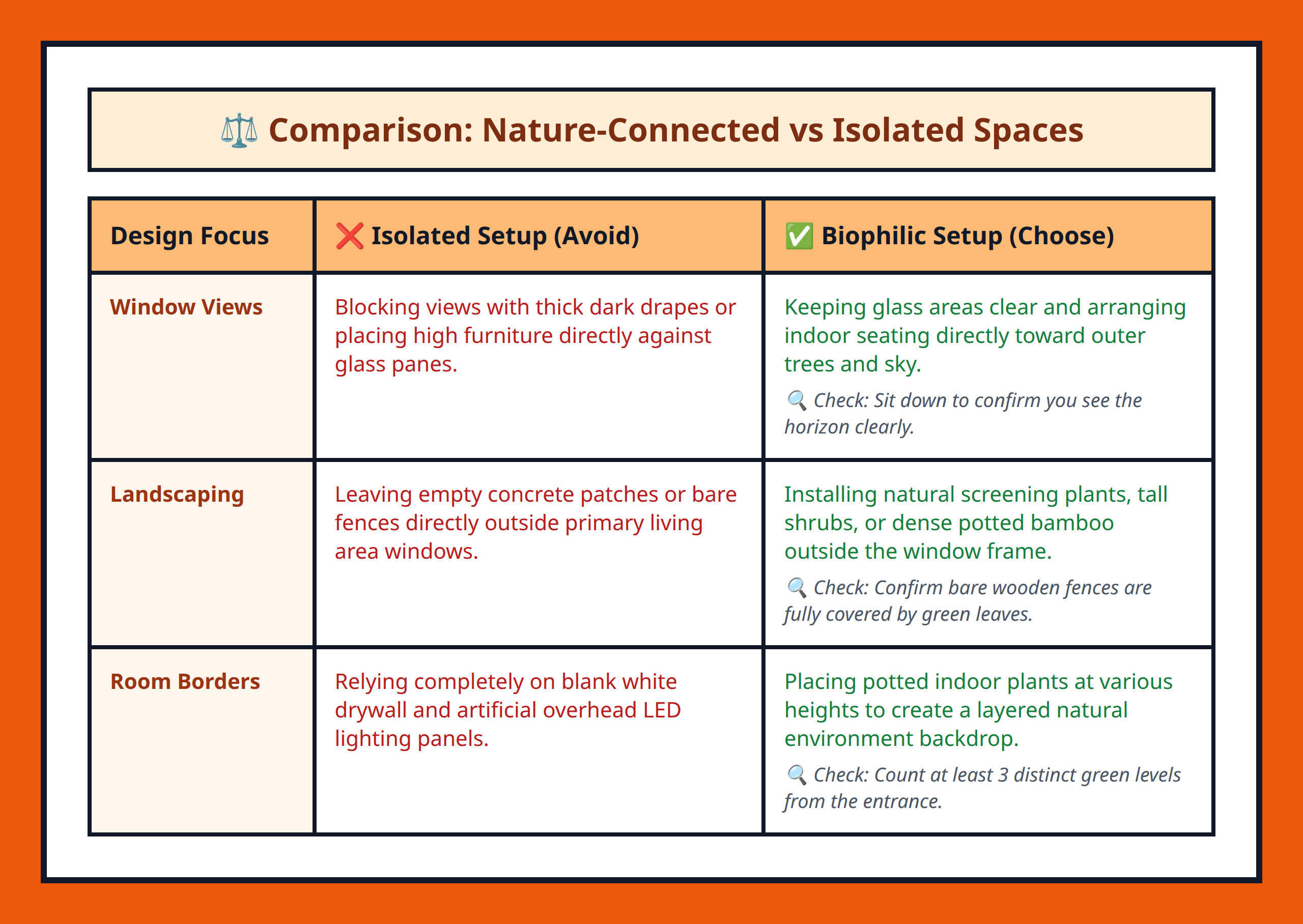
Many homes have opportunities to strengthen their connection to nature but fail to take advantage of them.
One common mistake is ignoring outdoor views. Homeowners may focus entirely on interior design while overlooking what can be seen from the windows every day.
Another mistake is treating landscaping as an afterthought. A property may have significant potential for greenery, shade, or visual interest but remain underdeveloped because attention is focused elsewhere.
It is also easy to assume that meaningful contact with nature requires a large yard or scenic location. In reality, small gardens, indoor plants, natural screening, and thoughtful landscaping can all contribute to a more natural living experience.
Imagine two otherwise similar homes. One has visible trees, attractive landscaping, and outdoor greenery integrated into daily views. The other lacks these elements entirely. The difference is not simply aesthetic. The overall feeling of the home can be noticeably different.
Making Nature Part of Everyday Life
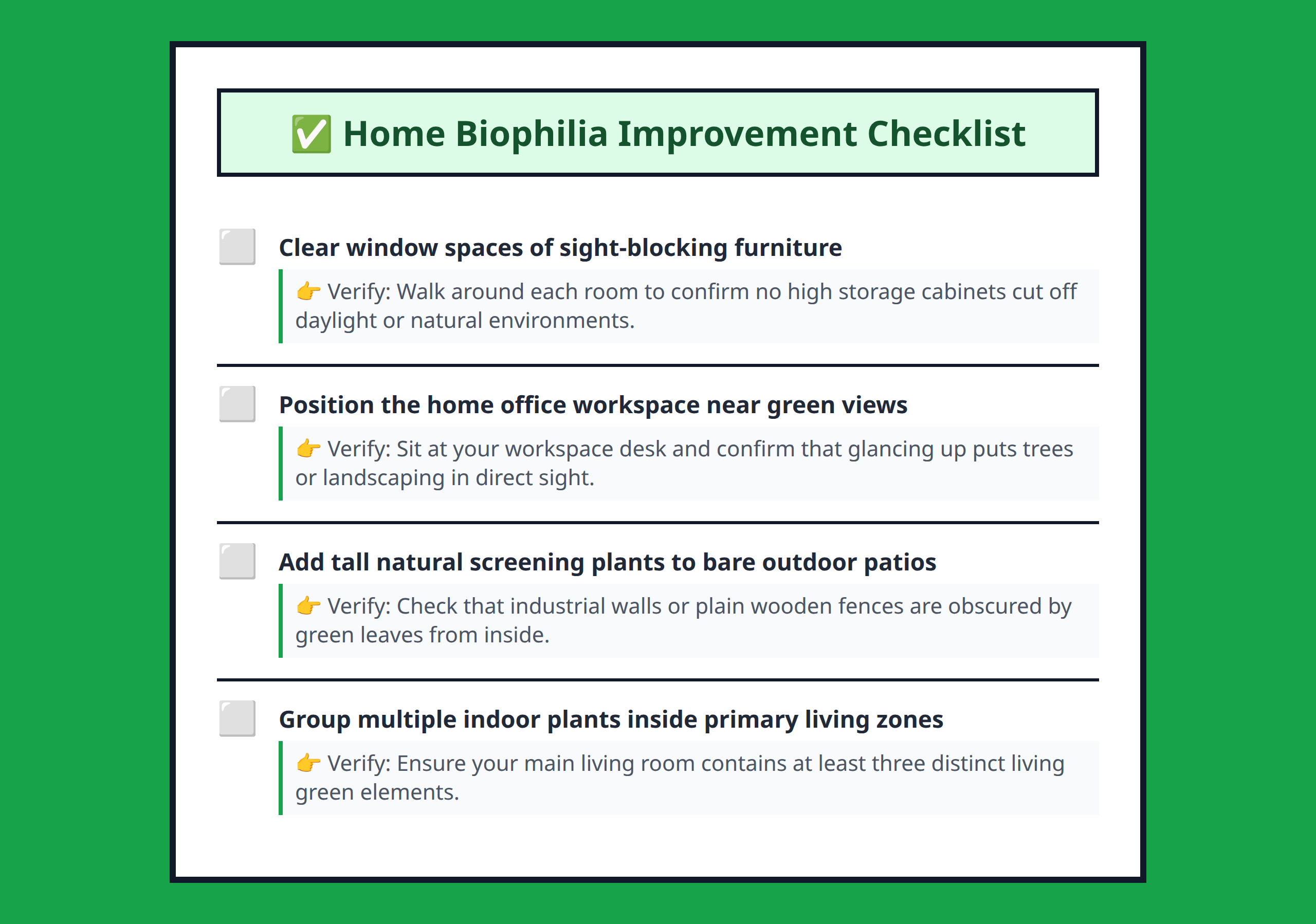
The value of biophilia is not that it creates perfect homes. Its value is that it helps people create environments that feel more comfortable, restorative, and enjoyable over time.
Nature does not need to dominate a property to be effective. A few plants, a better view, additional landscaping, or carefully placed greenery can strengthen a home’s connection to the natural world.
If you want to improve your living environment, start by looking out your windows. What you see every day may have a bigger influence on how your home feels than you realize.
FAQ
- Biophilia: The natural human tendency to feel attracted to and positively influenced by natural environments.
- Natural Screening: The use of trees, shrubs, or other vegetation to provide privacy or shape outdoor spaces.
- Landscaping: The design and arrangement of plants, trees, and outdoor features around a property.
- Green Space: An area containing natural vegetation such as grass, trees, gardens, or other plant life.
- Natural Views: Visual access to outdoor elements such as trees, gardens, water, or other natural scenery.
